Single compounds
Individual peptide and biochemical research materials.
BIOLOGIC LABS
Explore individual compounds, blend formulas, and supporting materials in one focused collection.
Individual peptide and biochemical research materials.
Named combinations with their complete stated composition.
Separate laboratory materials including NAD+, glutathione, and BAC Water.
THE COLLECTION
Browse each material by name, composition, and current research context.
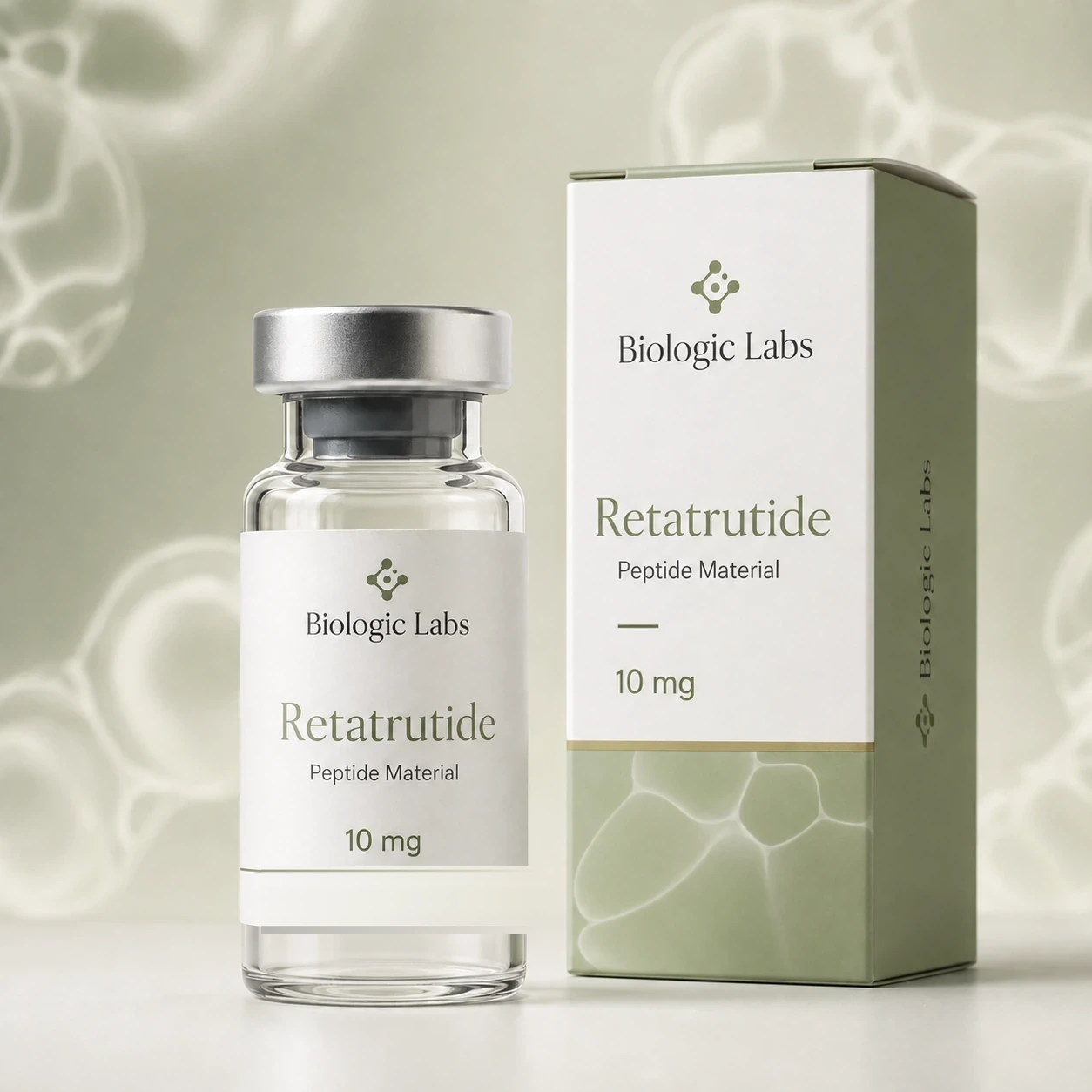
A triple-receptor agonist examined in metabolic research.
View profile ↗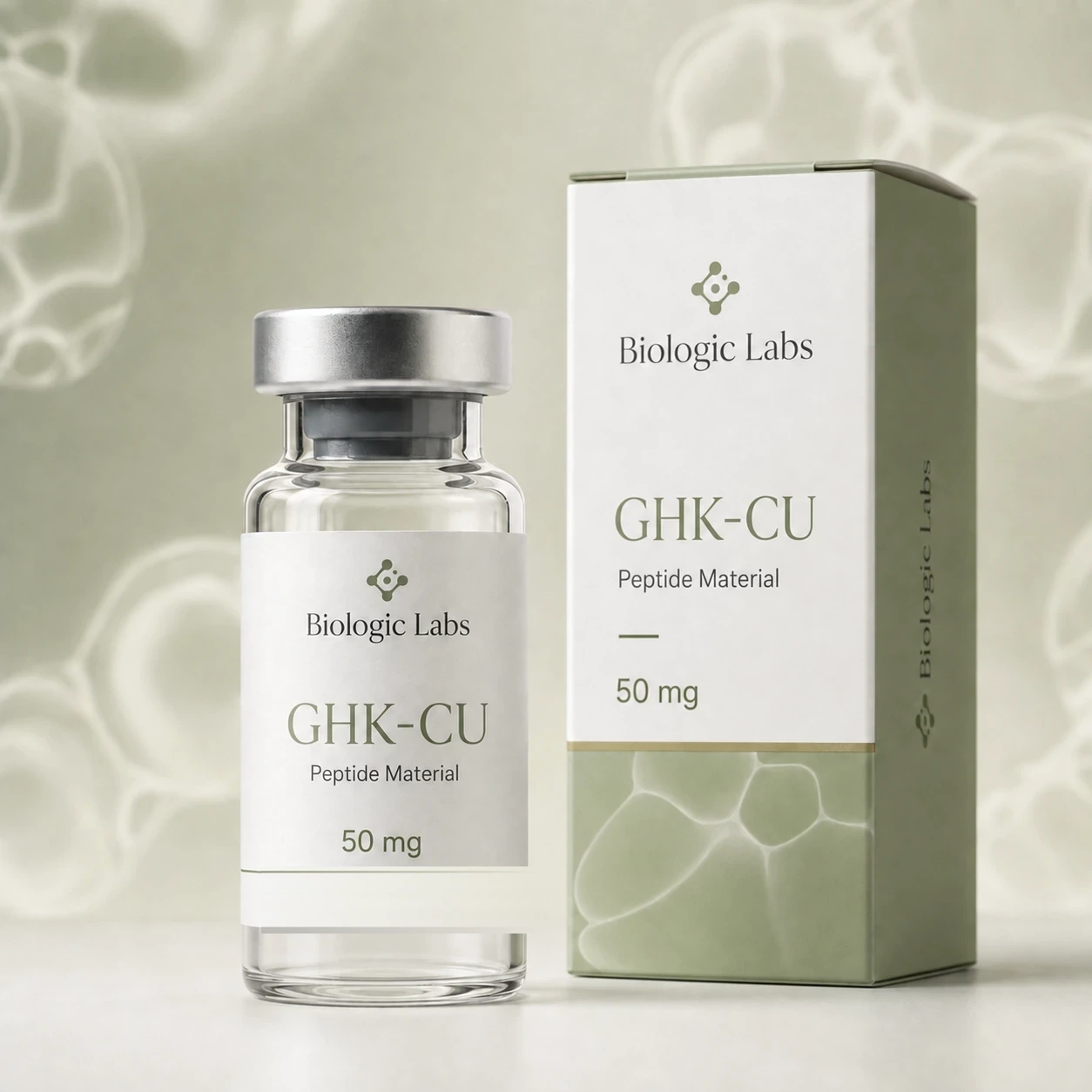
A copper-binding tripeptide studied across skin, tissue, and signalling research.
View profile ↗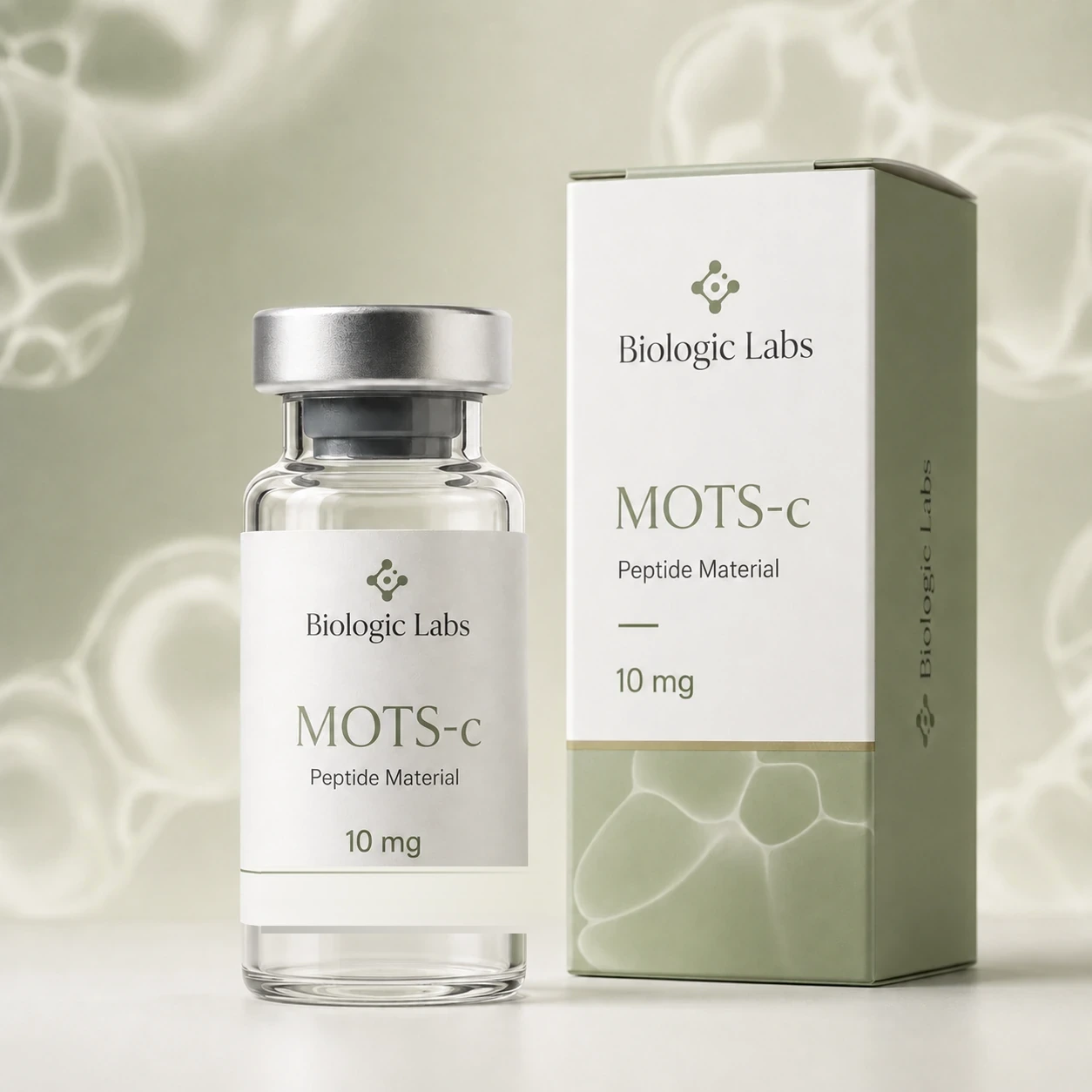
A mitochondrial-derived peptide studied in cellular-energy and metabolic research.
View profile ↗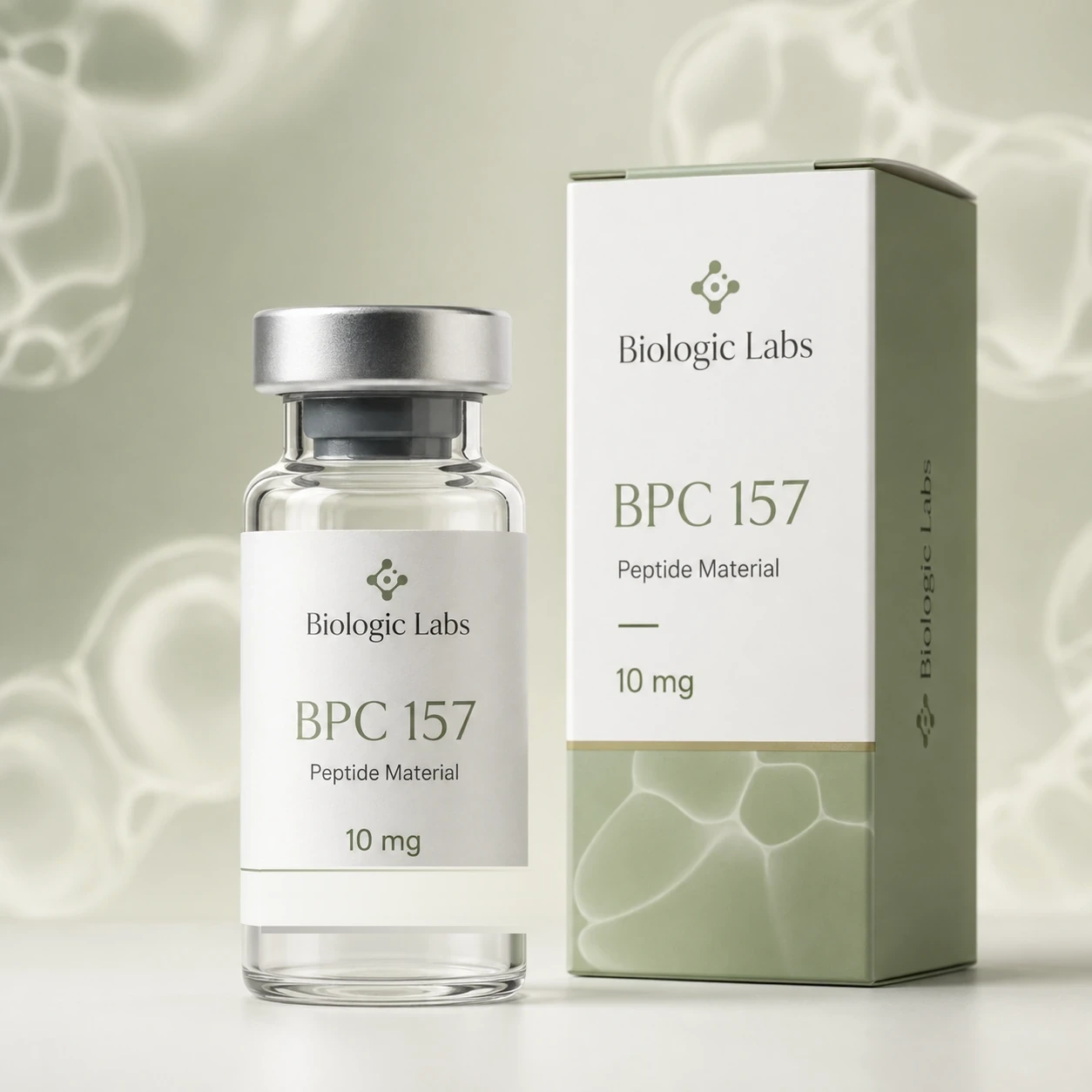
A synthetic peptide discussed primarily through laboratory and preclinical research.
View profile ↗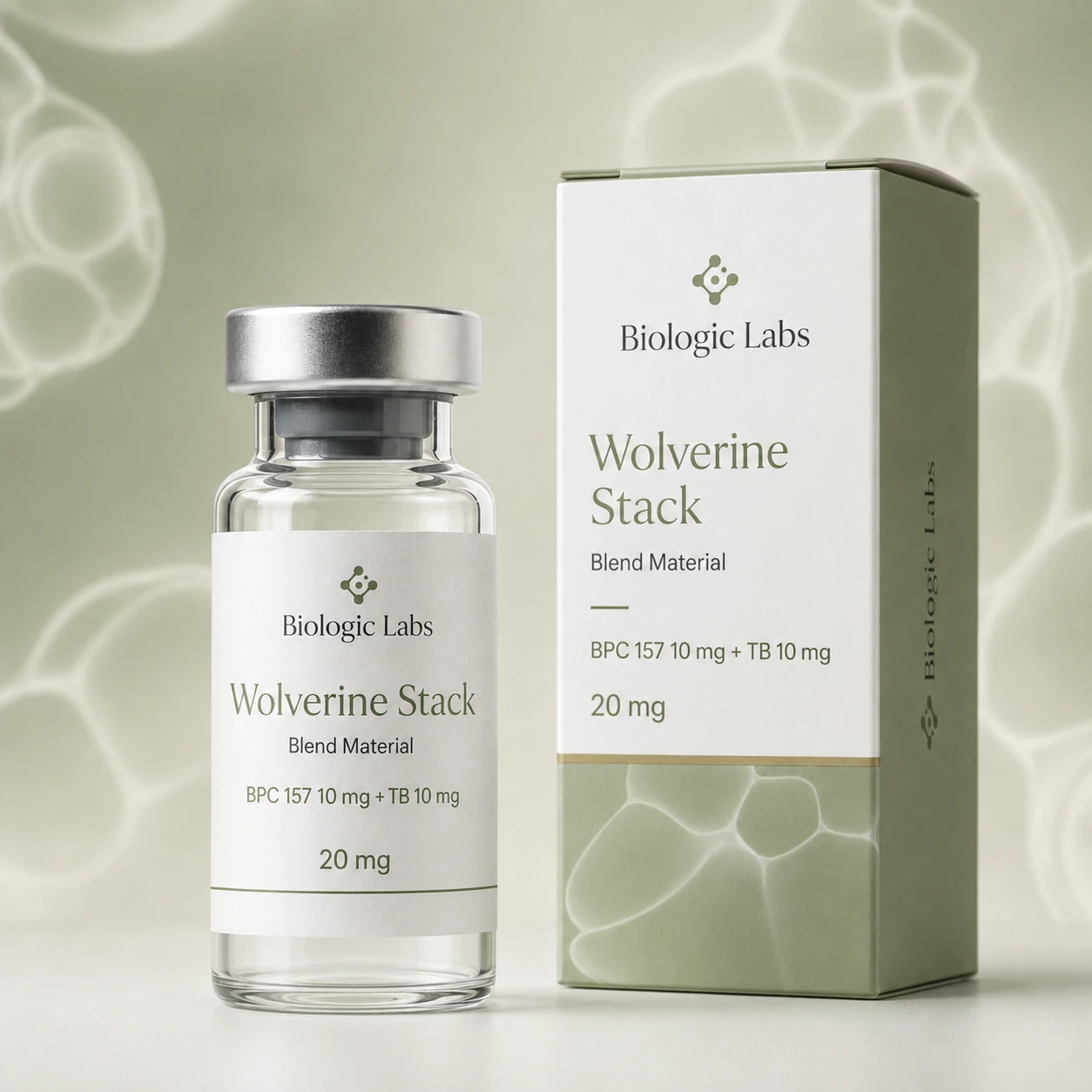
BPC 157 10 mg + TB-500 10 mg.
View formula ↗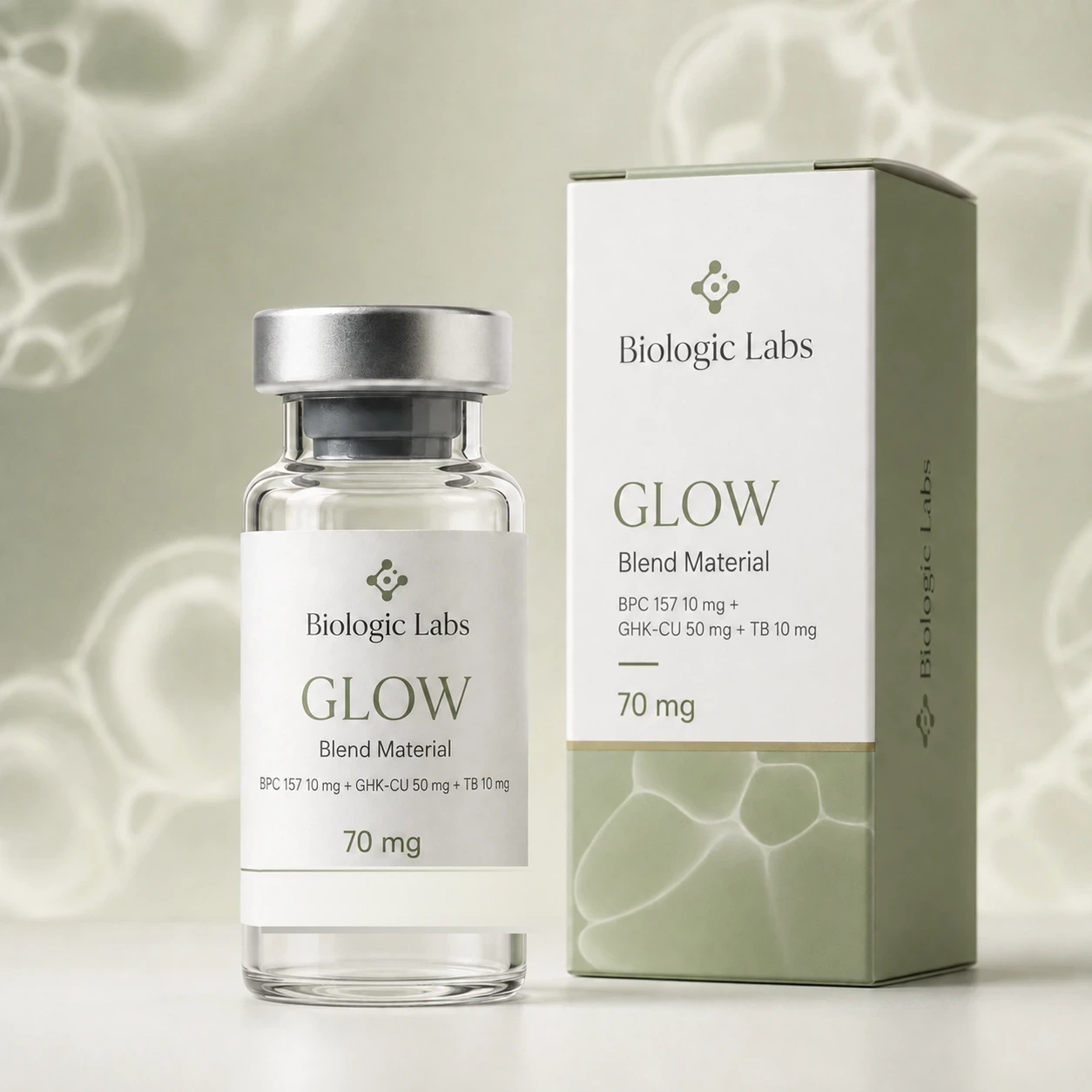
BPC 157 10 mg + GHK-Cu 50 mg + TB-500 10 mg.
View formula ↗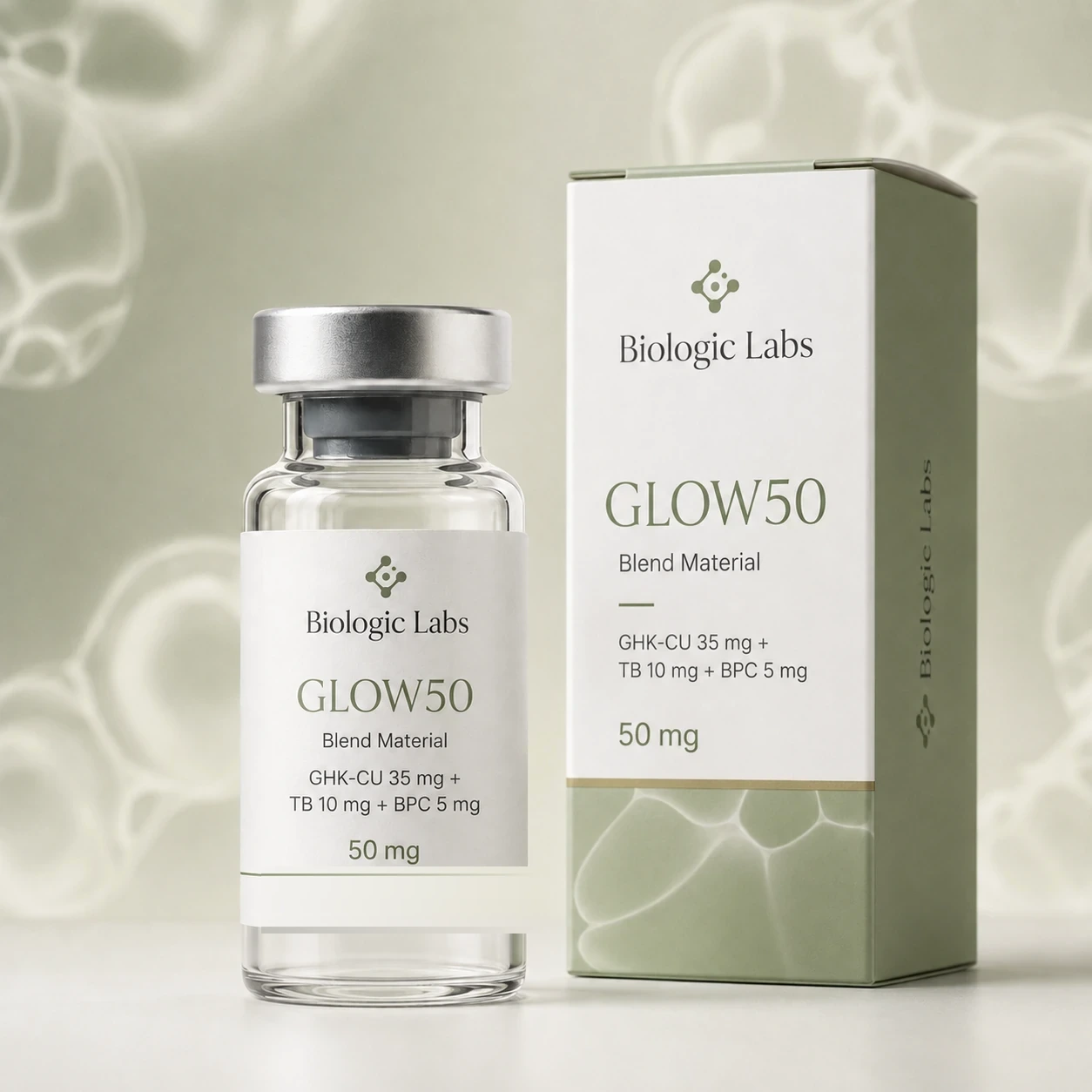
GHK-Cu 35 mg + TB-500 10 mg + BPC 157 5 mg.
View formula ↗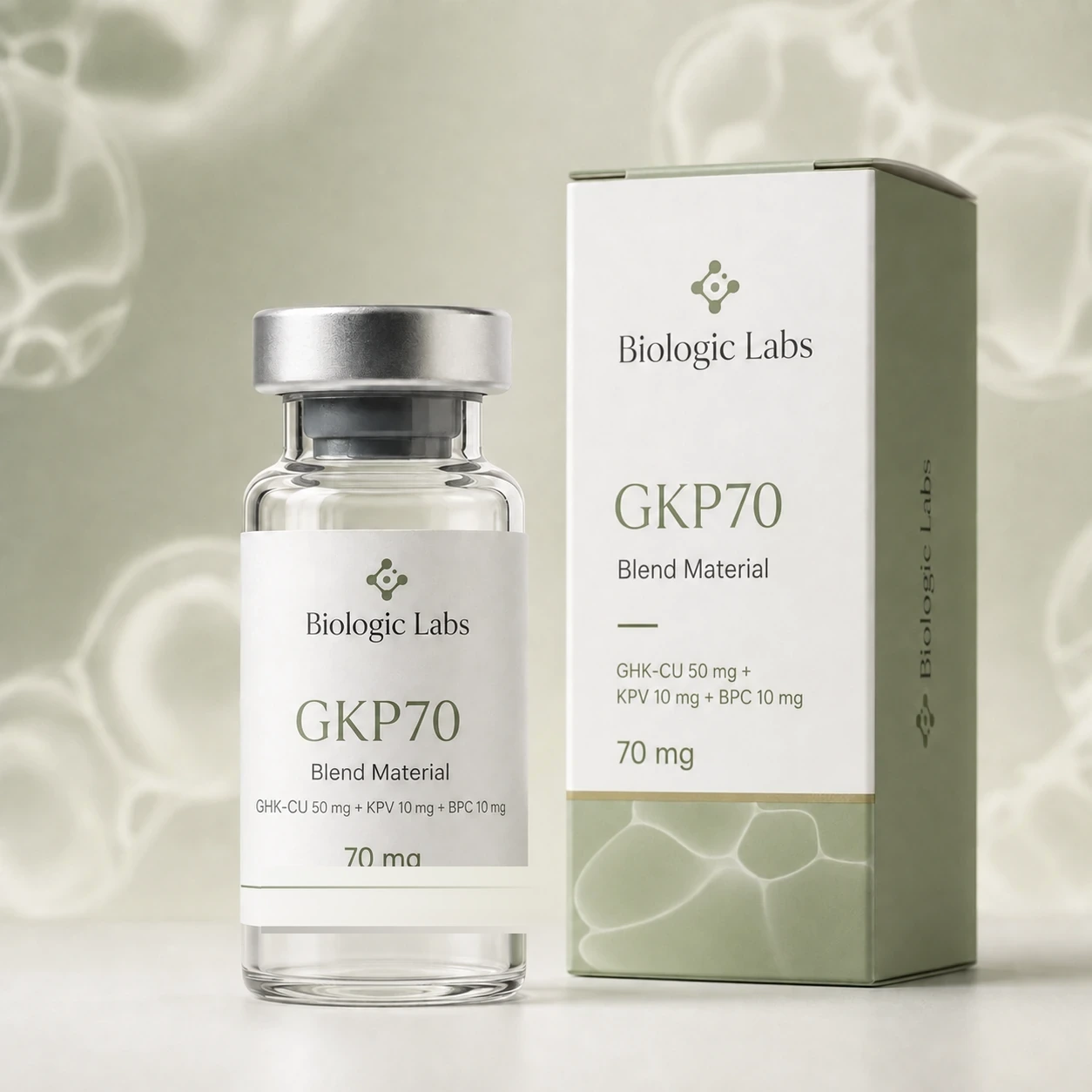
GHK-Cu 50 mg + KPV 10 mg + BPC 157 10 mg.
View formula ↗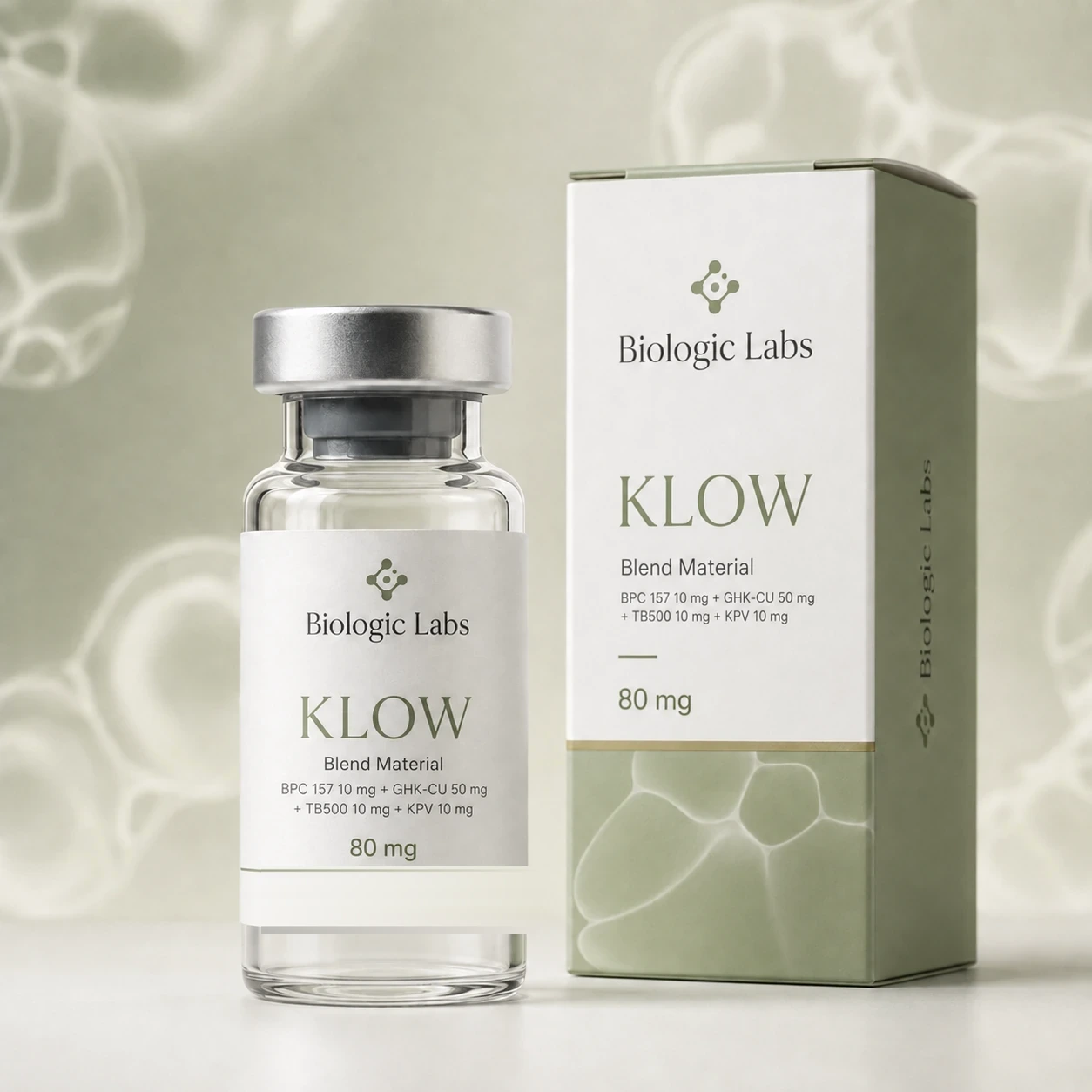
BPC 157 10 mg + GHK-Cu 50 mg + TB-500 10 mg + KPV 10 mg.
View formula ↗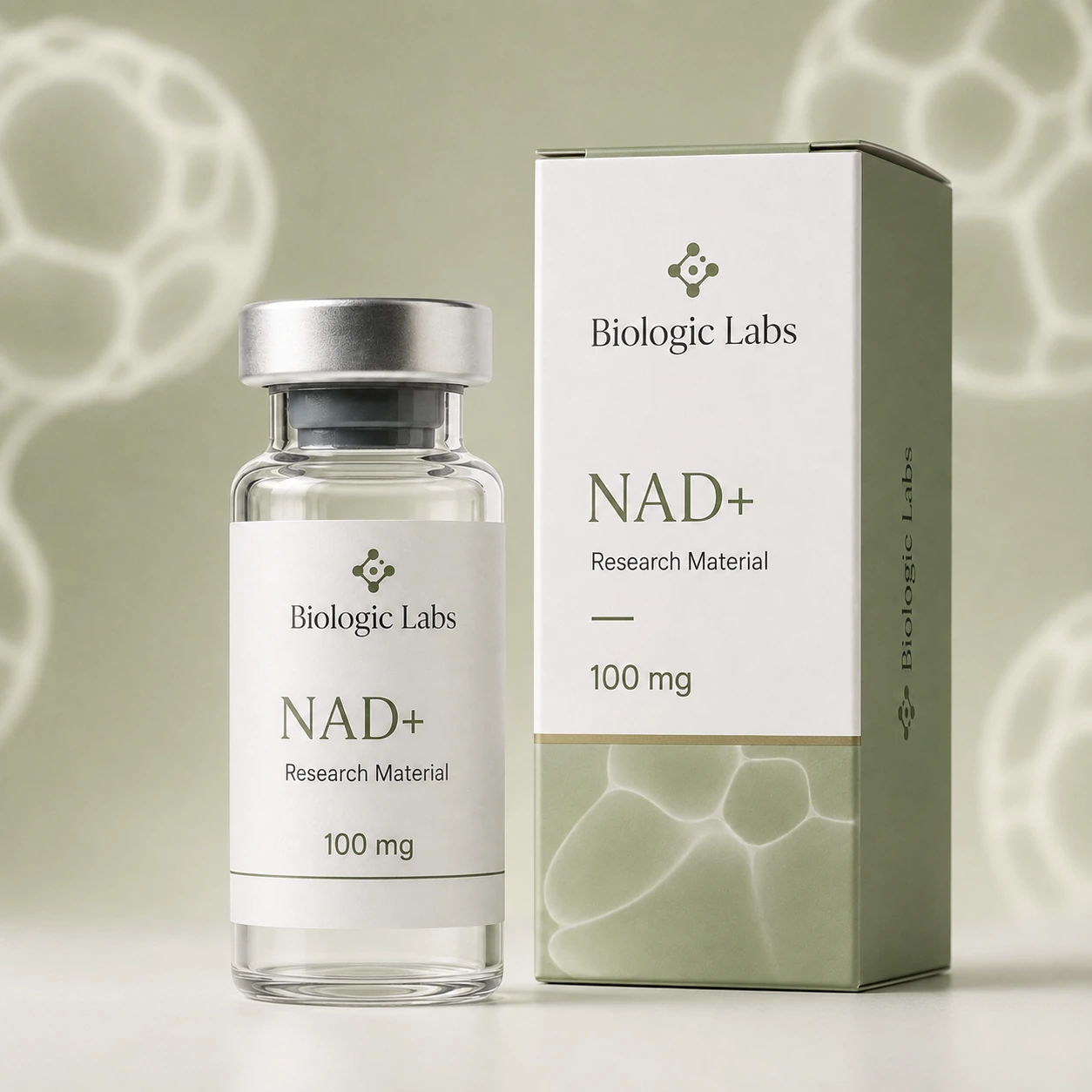
A coenzyme central to cellular energy and redox biology.
View profile ↗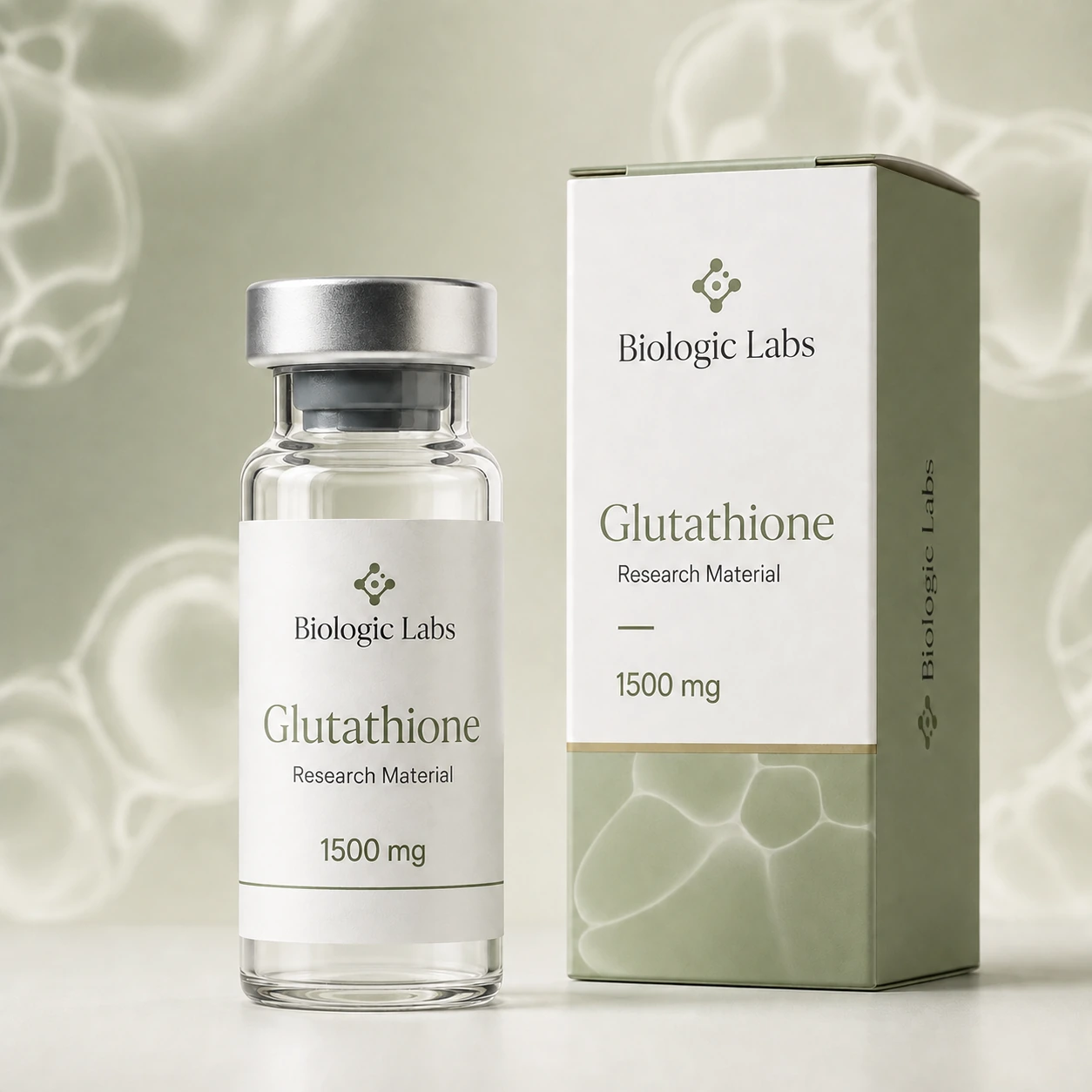
A naturally occurring tripeptide studied in redox and oxidative-stress research.
View profile ↗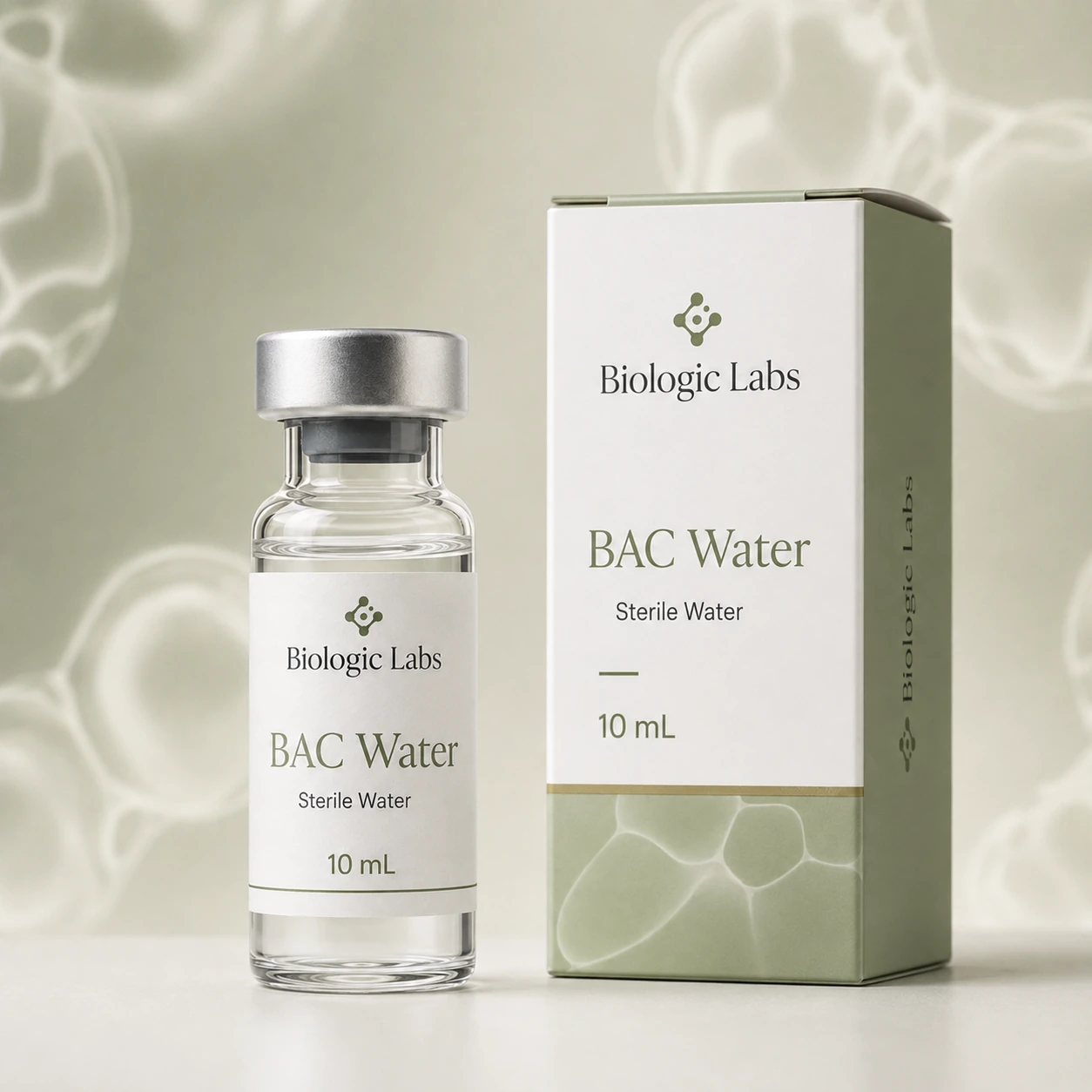
A separate laboratory support material shown independently from peptide compounds.
View profile ↗PEPTIDE SCIENCE
Peptides are short chains of amino acids that can act as signals within biological systems. They are studied for their structure, receptor activity, cellular pathways, and broader biological roles.
Explore compoundsStructure, sequence, and the defining characteristics of each compound.
Receptors, signalling pathways, and areas under scientific investigation.
Laboratory findings, preclinical studies, and available human research.
RESEARCH CONTEXT
Laboratory, preclinical, and human studies each provide a different level of information.
Mechanisms, signalling, and early hypotheses.
Animal models and early biological observations.
Observational studies and controlled trials.
Confidence grows when findings are repeated and reviewed.
RESEARCH RESOURCES
Search peer-reviewed literature and registered studies related to the compounds in this collection.
BIOLOGIC LABS
For general enquiries about the compounds, blends, or published sources featured here:
info@biologiclabs.ca ↗